
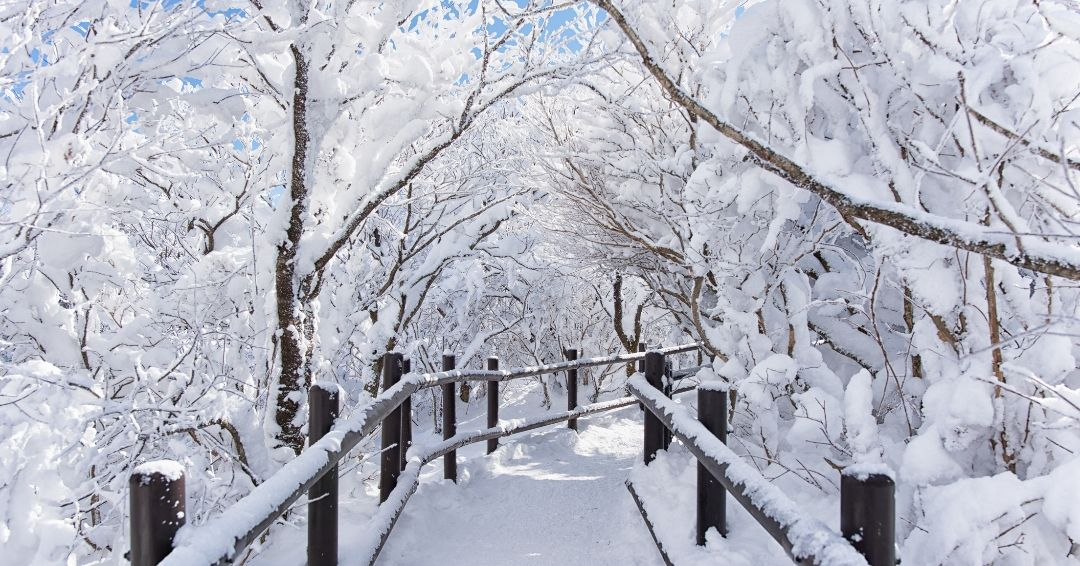
Switzerland in December is the travel poster that comes to life: steam rising from glacier-mail train windows, onion-domed chalets buried in powder, and Christmas markets glowing under medieval towers. It is also — with the right planning — one of the easiest winter trips a traveller can take. This guide condenses what our guests on the Switzerland Winter & Christmas tour ask us most: visa logistics, how cold is really cold, which mountain excursion deserves your day, and how the Swiss actually celebrate the season.
Visa Rules: Schengen Explained Simply
Switzerland is part of the Schengen Area, so one Schengen visa covers Switzerland plus 28+ European countries — useful if your trip connects through Istanbul, Zurich or Milan. • Schengen visa-free (90 days in any 180): Citizens of Spain, Mexico, Argentina, Chile, Uruguay, Paraguay, Costa Rica, Panama, Guatemala, Honduras, El Salvador, all EU countries, the UK, the USA and Canada enter with just a passport stamp. • Schengen visa required: Travelers holding Turkish, Colombian, Peruvian, Ecuadorian, Bolivarian Venezuelan, Bolivian or Cuban passports must apply at the Swiss (or relevant member-state) consulate or its outsourced visa centres (BLS International handles Switzerland in Türkiye). Apply 4–8 weeks before travel — December slots fill from September. Requirements: passport valid 3+ months beyond departure, biometric photo, travel insurance with €30,000 medical cover, hotel reservations, flight itinerary and proof of funds (~CHF 100/day). Our travel designers prepare a full document pack — confirmed hotels, day-by-day itinerary and invitation letter — which visa officers recognize and process quickly.
The Mountains: Jungfraujoch vs Mt. Titlis
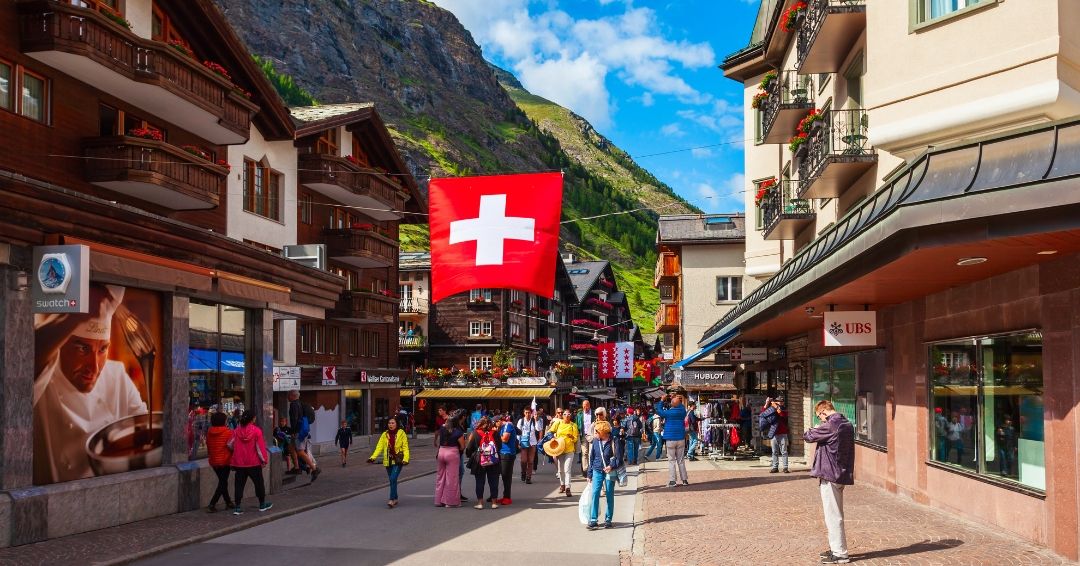
Both excursions deliver the high-Alpine fantasy, and they are different experiences: • Jungfraujoch — 'Top of Europe' (3,454 m): the century-old cogwheel railway tunnels through the Eiger and Monch to Europe's highest station. Ice Palace, Sphinx observatory, and the Aletsch glacier view. Full-day from Interlaken or Lucerne; allow CHF 150–190 with a Swiss Travel Pass discount. • Mt. Titlis (3,238 m): the Rotair rotating cable car climbs past cliff faces, and the Cliff Walk — Europe's highest suspension bridge — connects the summit station. Shorter transfer from Lucerne, glacier cave, and snow-tubing in winter. Around CHF 100–130. Rule of thumb: if you want the legendary railway and don't mind a long day, Jungfraujoch. If you want maximum snow-play in half the time, Titlis. Our tour includes Titlis and offers Jungfraujoch as an upgrade day.
Christmas Markets & Swiss Traditions
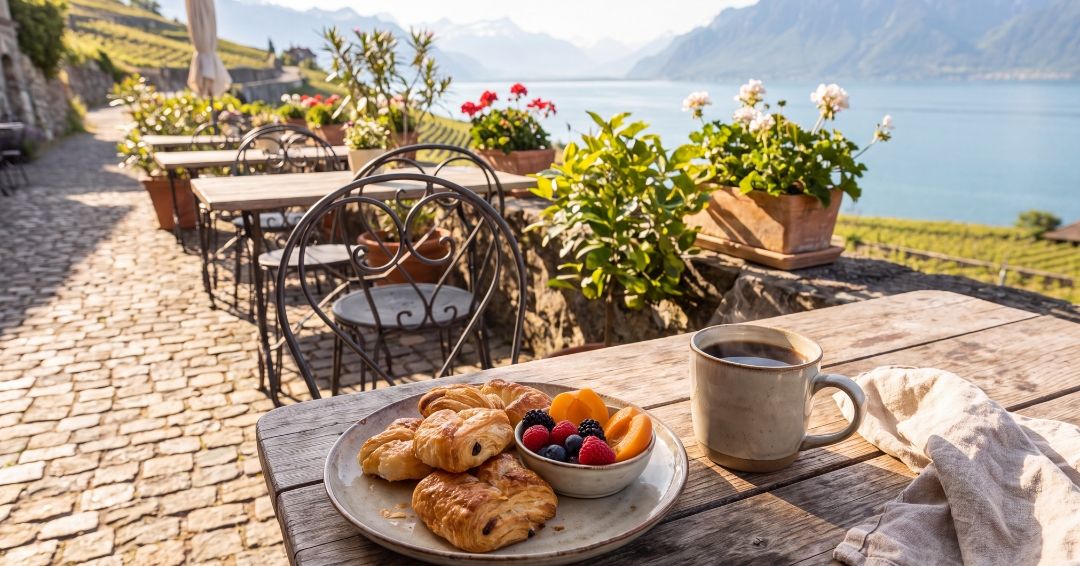
Swiss Christmas markets open with Advent (late November) and run until December 23–24. The essentials: Zurich's Christkindlimarkt inside the main station — a forest of 10,000 crystal lights under the station's vaulted roof; Basel's market at Barfüsserplatz, Switzerland's largest and arguably its most atmospheric; Montreux's lakeside market with its flying Santa that soars above the promenade every evening at 5pm; and Lucerne's market beneath the frescoed facades of the Old Town. Swiss traditions to know: advent calendars hang in shop windows; December 6 is Samichlaus day (children receive chocolate in their boots); and Christmas Eve — not Christmas Day — is the family celebration with a decorated real-candle tree and fondue dinner. Speak a word of it: 'Grüezi' (hello in German Switzerland), 'Merci vilmal' (thanks in Swiss German) and 'En Guete' (enjoy your meal) open doors everywhere.
Practical Notes: Cold, Money and the Travel Pass
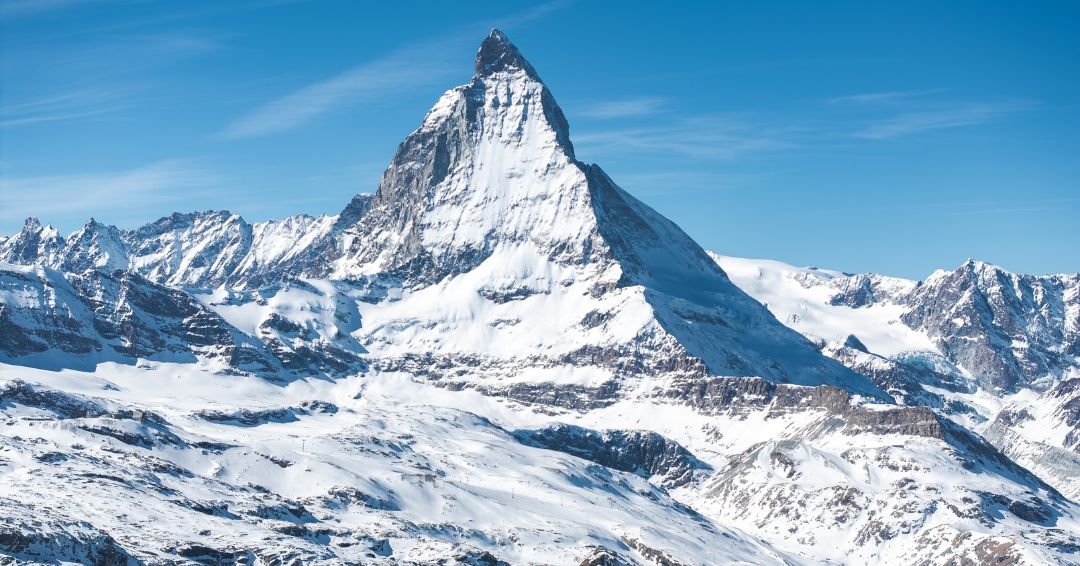
• Cold is real: Zurich/Lucerne hover at -3 to +4°C in December; mountain summits hit -10 to -15°C. The formula is layers: thermal base, fleece mid-layer, waterproof shell, and proper boots with grip (cobbled old towns ice over). Gloves, hat and scarf are not optional at 3,000 metres. • Money: Switzerland uses the Swiss franc (CHF), not the euro. Cards are accepted everywhere, even for a single coffee. Budget CHF 25–40 for lunch, CHF 60–120 for dinner in tourist areas. • Swiss Travel Pass: unlimited trains, buses and boats plus free museum entry and 50% off most mountain railways. If you ride more than two long train routes, it pays for itself. Our Winter & Christmas tour includes it for the full stay. • Trains are the way: punctual to the minute, scenic beyond belief (the GoldenPass and Luzern–Interlaken lines are destinations in themselves), and so frequent that no reservation is needed on most routes.
Pronto para sua próxima crônica?
A Swiss winter rewards the prepared: secure the Schengen appointment early, pack real layers, ride the trains, and leave one afternoon free simply to stand in a Christmas market with a cup of glühwein while snow starts falling. Our Switzerland Winter & Christmas tour runs December 3–10 with every mountain, market and transfer arranged — ask us for the next departure.